
Research
Digital Solutions
Digital Solutions Program

The Center for Evaluation and Incubation of Digital Mental Health Interventions is dedicated to developing, testing, and validating innovative technologies that improve access to mental healthcare and enhance the lives of people experiencing mental health conditions.
The Covid-19 pandemic accelerated the adoption of digital mental health solutions worldwide. Mobile applications, telehealth, and other digital technologies have demonstrated their potential to prevent and treat common mental health conditions by delivering evidence-based interventions, including approaches adapted from cognitive behavioral therapy. These technologies also strengthen communication between healthcare professionals and patients, improving engagement, adherence to treatment, and continuity of care.
Despite this progress, many digital mental health solutions still require rigorous scientific evaluation to establish their safety, effectiveness, and real-world applicability. In response to this need, the Center for Evaluation and Incubation of Digital Mental Health Interventions was established to develop, evaluate, and validate innovative digital technologies that support mental health prevention, treatment, and care. By generating robust scientific evidence, the Center contributes to expanding equitable access to high-quality mental healthcare and accelerating the translation of research into practical solutions for society.
TRIS
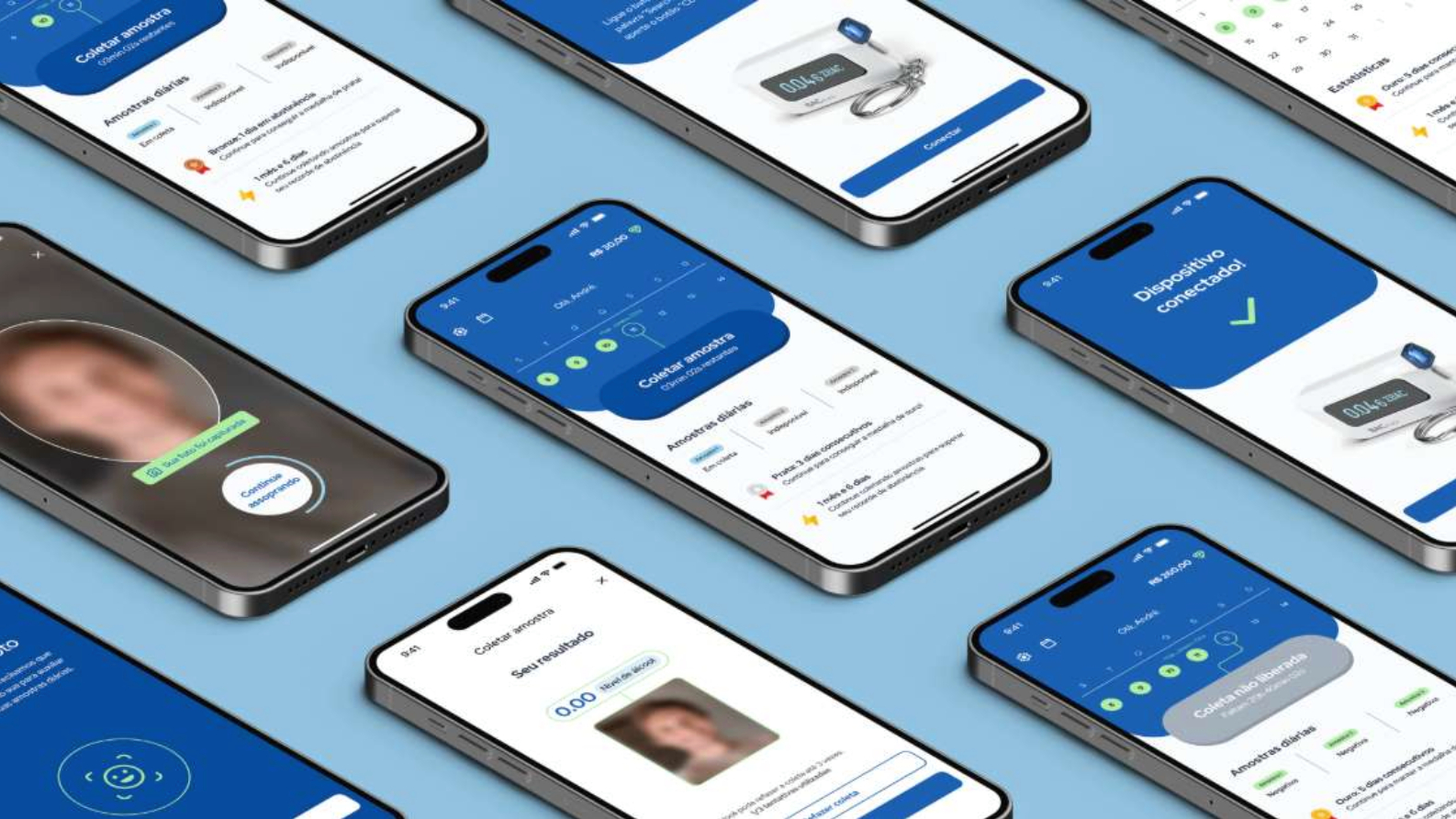
The Tratamento Remoto com Incentivos à Sobriedade (TRIS) project is Brazil’s first app-based contingency management intervention for Alcohol Use Disorder (AUD). The intervention combines a portable breathalyzer with a smartphone application and is designed to support alcohol abstinence through financial incentives.
Participants receive brief training on how to use the app during the 12-week intervention period. They are then asked to submit breath samples through the app three times a day at scheduled times. Participants receive a monetary incentive for each day on which all submitted samples test negative for alcohol use.
The TRIS project is currently evaluating the effectiveness of this approach in a randomized clinical trial involving adults aged 18 to 70 who are receiving treatment for Alcohol Use Disorder at Instituto Perdizes (IPer), part of the Hospital das Clínicas of the Faculdade de Medicina da Universidade de São Paulo (FMUSP), or at AME Vila Maria, both located in São Paulo.
Exergame
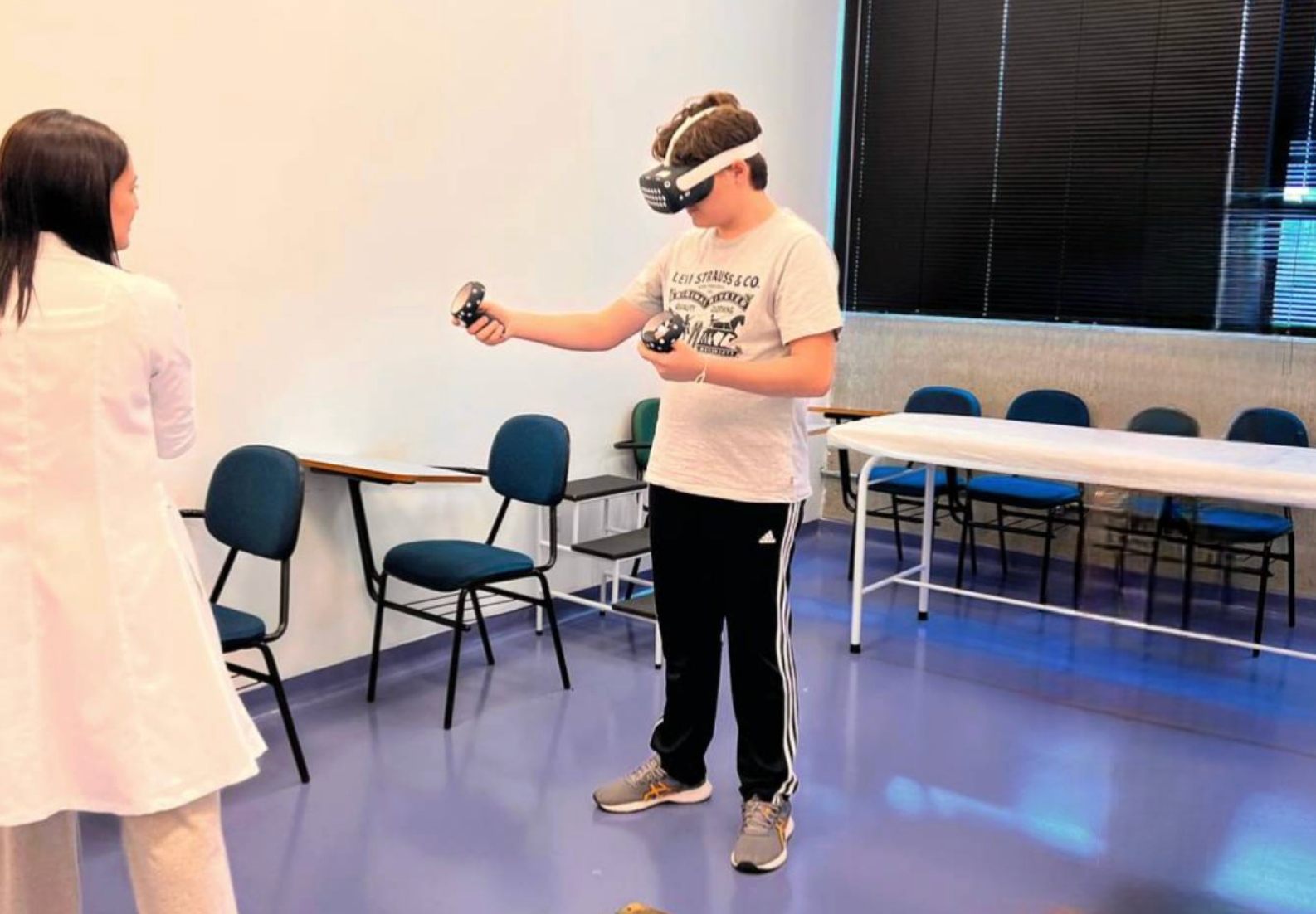
The Exergame project is evaluating a virtual reality-based exercise intervention for adolescents with Attention-Deficit/Hyperactivity Disorder (ADHD). The intervention consists of two games set in an immersive and engaging environment that simulates a futuristic laboratory. Each game session lasts 7 minutes and 12 seconds.
The study protocol includes an online psychiatric assessment, five in-person visits to the research laboratory, and one month (20 sessions) of home-based training with remote support from the research team. Interested participants must complete an online screening interview, answer questionnaires, and undergo a series of assessments to determine their eligibility.
The project is currently recruiting adolescents aged 12 to 17 years who have an ADHD diagnosis or symptoms suggestive of the condition and are not currently taking ADHD medication. Participation is free of charge.
For more information about participating in Indaiatuba, São Paulo, contact the research team via WhatsApp at (19) 99006-0349 or by email at gamevrtdah@gmail.com. To participate in Porto Alegre, Rio Grande do Sul, please contact the team at prodahmovesapiens@gmail.com.
Vínculo

The Vínculo Project brings together two evidence-based psychological intervention programs - randomized clinical trials - grounded in Cognitive Behavioral Therapies (CBT) and contextual behavioral therapies.
The first, Vínculo Transdiagnostic, evaluates the effectiveness of a transdiagnostic psychological intervention for emotional symptoms (anxiety and depression) and sleep difficulties. The second trial, Vínculo-OCD, is designed for the treatment of Obsessive-Compulsive Disorder (OCD).
Both programs use a hybrid model of care, combining structured content delivered through WhatsApp, supported by a chatbot, with individual follow-up provided by a psychologist throughout the intervention. The first program is delivered entirely online via WhatsApp with professional support, compared with an active control based on digital psychoeducation. The second uses the same technological platform and hybrid care model.
In addition to investigating the clinical effectiveness of the interventions, the studies assess indicators of adherence, engagement, usability, acceptability, and implementation feasibility in a middle-income country. This model is expected to contribute to expanding access to evidence-based psychological treatments while preserving professional follow-up and clinical safety criteria.
Motherly+
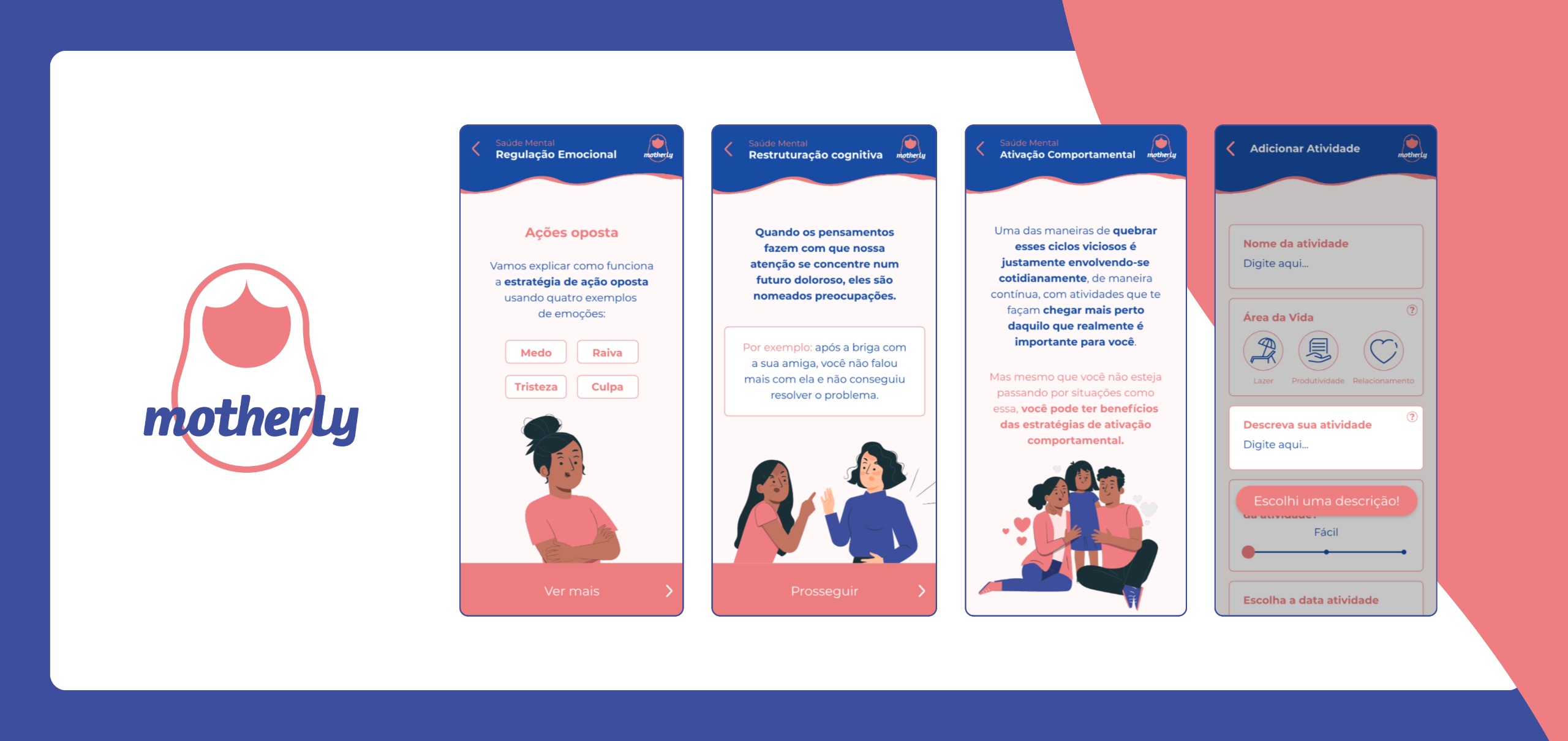
The Motherly+ project, "Single-Session Psychotherapy Supported by a Smartphone App for the Treatment of Postpartum Depression: A Randomized Clinical Trial," aims to evaluate the effectiveness of an intervention that combines single-session psychotherapy with support from the Motherly smartphone application for the treatment of postpartum depression (PPD).
The study addresses an important gap in understanding how brief psychotherapy combined with digital tools can improve postpartum depression treatment. In addition to examining reductions in depressive symptoms, it investigates moderators, mediators, and specific treatment processes, such as the therapeutic alliance and engagement with the technology, that may influence clinical outcomes.
The study is designed as a randomized clinical trial involving 104 women aged 18 to 40 years, up to 12 months postpartum. Participants will be randomly assigned either to the intervention group or to a waitlist control group. The primary outcome is the reduction of depressive symptoms at four weeks, while secondary outcomes include changes in anxiety, sleep quality, parental stress, and the evaluation of mediating mechanisms such as the therapeutic alliance and engagement with the Motherly app.